Our Asphalt Overlaying Process
Step 1: Pavement Evaluation & Consultation
We begin with an on-site review of your existing asphalt to determine whether overlaying is the right solution. Our team checks surface wear, cracking, drainage, base stability, low spots, and overall pavement condition to make sure the current surface can properly support a new asphalt layer.
Step 2: Estimate & Overlay Planning
Once the pavement has been evaluated, we provide a clear estimate outlining the project scope, overlay thickness, preparation needs, scheduling, and any repairs required before installation. We plan the work around your property access, traffic flow, and operational needs whenever possible.
Step 3: Surface Cleaning & Preparation
Before the overlay is installed, the existing asphalt is cleaned and prepared. We remove loose debris, dirt, vegetation, and failing material, then address problem areas such as potholes, cracks, uneven edges, drainage concerns, or damaged sections that could affect the performance of the new asphalt surface.
Step 4: Tack Coat & Bonding Preparation
A tack coat may be applied to help the new asphalt bond properly to the existing surface. This bonding layer is important because it helps the overlay act as one connected pavement system instead of a separate layer that can shift, separate, or fail prematurely.
Step 5: Asphalt Overlay Installation
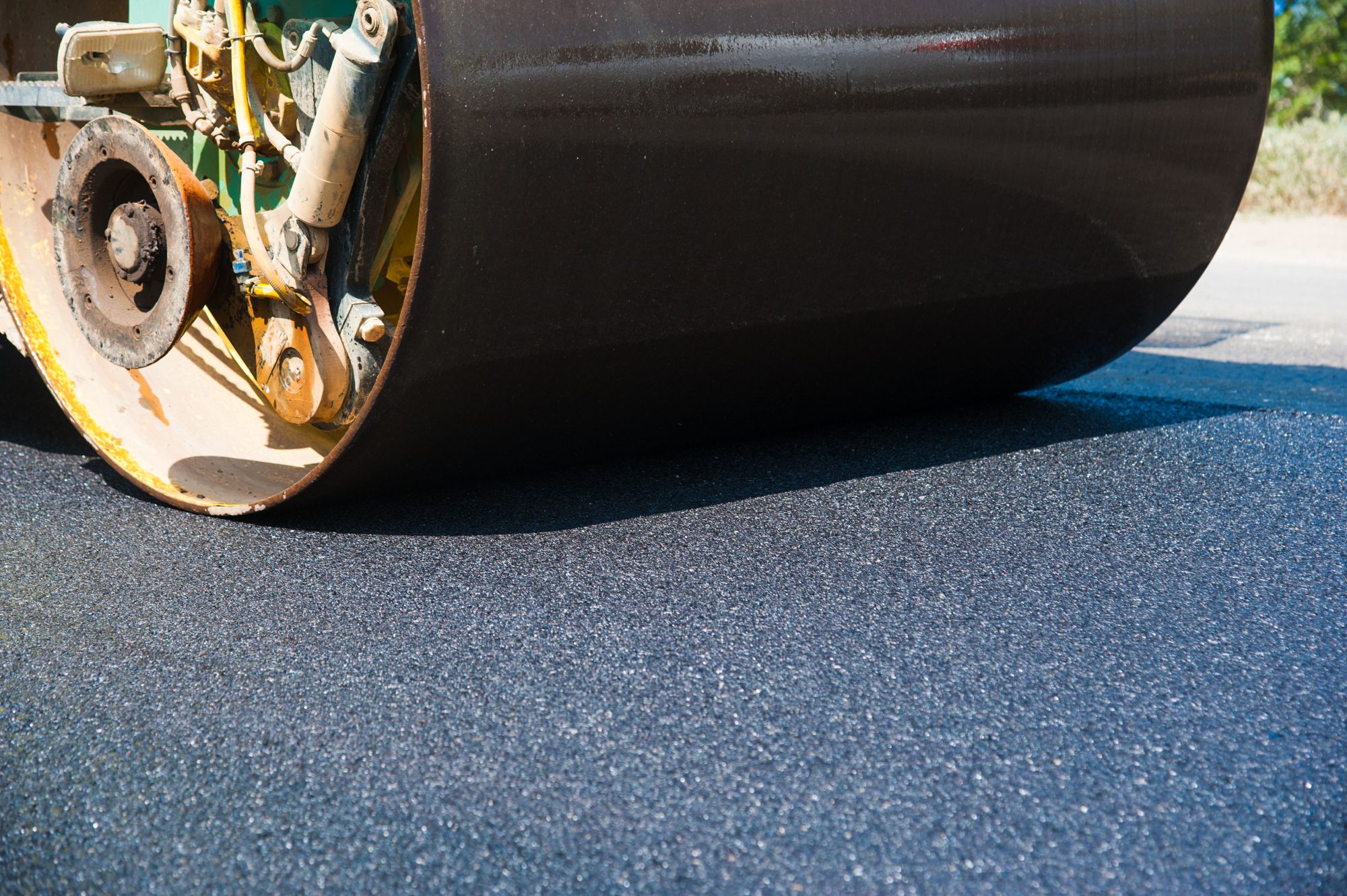
We install the new asphalt overlay at the proper thickness and grade for your property. The hot-mix asphalt is placed evenly, shaped for smooth transitions, and compacted with professional equipment to create a durable, refreshed surface built for daily traffic and long-term use.
Step 6: Final Compaction, Review & Maintenance Guidance
After installation, we complete final compaction and inspect the overlay for smoothness, drainage, transitions, edges, and overall finish quality. We also provide guidance on curing time, traffic use, sealcoating, crack sealing, and future maintenance to help extend the life of the new surface.
Have Questions?